Sleep Apnea
Feel Energetic Again With Treatment
Get Better Rest by Treating Sleep Apnea in Worcester
Better sleep, more energy, and a clearer head are all possible when sleep apnea in Worcester is addressed. Left untreated, this sleep disorder affects far more than your nights. It can take a toll on your mood, your focus, and your long-term health.
Treating sleep apnea will help you wake up feeling rested and stay productive throughout the day. It can also put an end to the snoring that's been disrupting your partner's sleep too. Most importantly, you'll lower your risk of serious health concerns like heart disease and stroke.
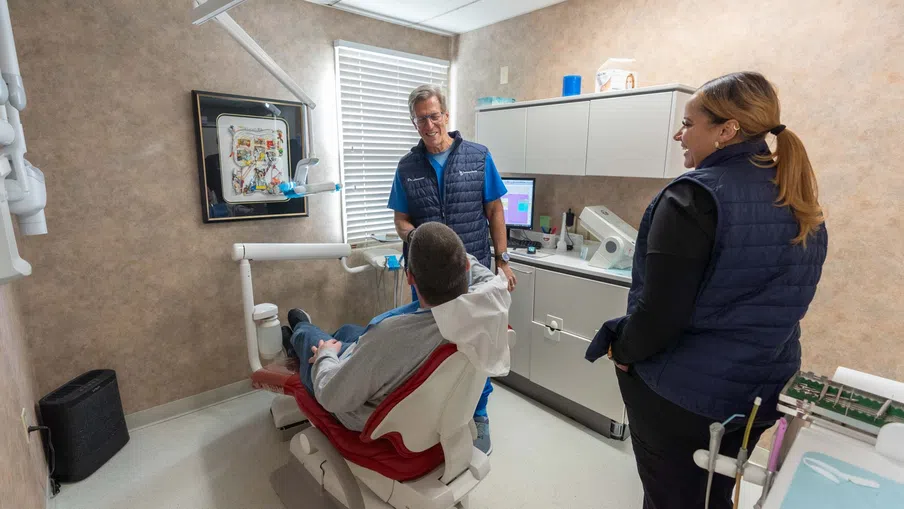
Doctor Stanley Levenson Talks About Sleep Apnea
Improve Your Daily Life & Wellness With Sleep Apnea Treatment
Obstructive sleep apnea affects nearly every part of your life, from how rested you feel in the morning to how well you function throughout the day. Treating it can bring changes that go well beyond a quieter night's sleep.
Better Sleep Quality
Effective treatment helps you breathe freely through the night, so you wake up feeling genuinely rested and refreshed each morning.
More Daily Energy
When your body gets the oxygen it needs during sleep, you'll notice a real difference in your energy levels throughout the day.
Sharper Focus
Sleep disturbances make it hard to concentrate. Treating them helps you think more clearly and stay on task at work or school.
Improved Mood
Poor sleep affects your emotional health. Getting consistent, quality rest can lift your mood and reduce your risk of depression.
Better Long-Term Health
Take Control of Your Sleep With a Custom Oral Appliance
Sleep apnea is more than a sleep problem. Left untreated, it raises your risk for serious health problems. Getting a diagnosis and starting treatment is one of the most important things you can do for your long-term health.
Our approach is thorough from the start:
- The process begins with a detailed screening and a conversation about your symptoms.
- You'll receive a take-home sleep study that's far more comfortable and convenient than an in-lab test.
- A board-certified sleep medicine doctor reviews your results to determine whether apnea is present.
- If it is, your dentist uses digital scanning technology to design a custom oral appliance that keeps your airway open while you sleep.
Get a More Comfortable Alternative to CPAP
CPAP machines are a well-known treatment for sleep apnea, but they're not the right fit for everyone. A custom oral appliance gives you a simpler, more comfortable option with benefits you'll notice right away:
- Compact and easy to take with you when you travel
- Quiet during use for a more peaceful sleep environment
- No masks, hoses, or complex equipment to deal with
- Easy to wear and maintain night after night
- Simple to keep clean
Know the Signs of Sleep Apnea
Sleep apnea isn't always obvious, and many people live with it for years without knowing it. Common signs include:
- Loud snoring or gasping for air during sleep
- Waking up with a dry mouth or sore throat
- Morning headaches and trouble concentrating
- Mood changes and irritability
- Excessive daytime sleepiness and fatigue
If you or your bed partner recognize any of these signs, reach out today to get help for sleep apnea in Worcester. You can also speak to your dentist about your symptoms at your next checkup.
Frequently Asked Questions About Sleep Apnea
Q What is sleep apnea?
Sleep apnea is a condition in which breathing repeatedly stops and starts during sleep. These interruptions prevent the body from getting the oxygen it needs and disrupt the quality of rest. Left untreated, sleep apnea can contribute to serious health problems, including high blood pressure, heart disease, stroke, and diabetes.
Q What are the most common signs of sleep apnea?
Common signs of sleep apnea include loud snoring, gasping for air during sleep, waking up with a dry mouth or sore throat, morning headaches, difficulty concentrating, mood changes, and excessive daytime fatigue. A bed partner often notices the breathing interruptions before the person with sleep apnea does.
Q How is sleep apnea diagnosed?
Sleep apnea is diagnosed through a sleep study that monitors your breathing patterns and oxygen levels during sleep. A take-home sleep study is available, which is far more convenient and comfortable than an in-lab test. The results are reviewed by a board-certified sleep medicine doctor who determines whether apnea is present and how severe it is.
Q What causes sleep apnea?
Sleep apnea is most commonly caused by the soft tissues in the throat relaxing during sleep and partially blocking the airway. Contributing factors include excess weight, a narrow airway, nasal congestion, alcohol use, and sleeping on your back. Age and family history also play a role. Identifying the contributing factors helps guide the most appropriate treatment approach.
Q How does a custom oral appliance treat sleep apnea?
A custom oral appliance works by gently repositioning the jaw and tongue to keep the airway open during sleep. It's designed using digital scanning technology to fit your mouth precisely. Wearing it consistently helps prevent airway blockage, reducing or eliminating the breathing interruptions that cause poor sleep and daytime symptoms.
Q How is a custom oral appliance different from a CPAP machine?
A CPAP machine delivers a continuous stream of air pressure through a mask to keep the airway open. A custom oral appliance achieves a similar result without masks, hoses, or noise. Most people find the appliance easier to wear consistently, simpler to travel with, and far more comfortable to sleep with night after night.
Q What happens if sleep apnea goes untreated?
Untreated sleep apnea puts significant strain on the body over time. It raises the risk of high blood pressure, heart disease, stroke, and diabetes. It also leads to chronic fatigue, difficulty concentrating, mood changes, and reduced quality of life. Getting diagnosed and treated is one of the most important steps you can take for your long-term health.
Q How do I care for a custom sleep apnea appliance?
Caring for a custom sleep apnea appliance is straightforward. Rinse it with cool water after each use, brush it gently with a soft toothbrush, and store it in its case when not in use. Bringing it to your dental appointments allows your dentist to check its fit and condition and make any adjustments needed to keep it working well.