Root Canals
Keep Your Tooth Intact
Stop Your Tooth Pain With Root Canals in Worcester
A root canal is one of the most effective ways to stop tooth pain and clear an infection. It can usually save a tooth that might otherwise need to be removed. With an in-house endodontist on our team, you'll get specialist-level care without having to go anywhere else.
Dr. Ajram brings advanced training and experience to perform comfortable root canals in Worcester. You'll keep your natural tooth and put an end to the pain. You'll get back to eating and living comfortably. Plus, you won't have to worry about replacing a tooth or getting more extensive treatment later on.
Protect Your Long-Term Oral Health With a Root Canal
When a tooth is infected, acting quickly makes a real difference. The right treatment stops the pain and clears the infection. It also protects the teeth around it and preserves your oral health.
Stop the Pain
A root canal removes the source of your discomfort, giving you relief that over-the-counter pain relief simply can't provide.
Keep Your Natural Tooth
Saving your natural tooth is almost always the better option. A root canal lets you avoid extraction and keep your smile intact.
Prevent the Spread of Infection
An untreated infection can spread to neighboring teeth and beyond. Treating it early protects the rest of your mouth.
Eat Comfortably Again
Tooth pain makes it hard to enjoy meals. Once treatment is complete, you can bite and chew without discomfort or limitations.
Skip the Referral
Dr. Ajram is an in-house endodontist. With her expertise and advanced training, you get specialist-level root canal care right here. You avoid the hassle of a referral.
Receive Gentle Root Canal Care From a Specialist
If you're dealing with tooth pain, sensitivity to hot or cold, swollen gums, or persistent bad breath, you may have an infected tooth. Coming in sooner rather than later gives you the best chance of saving it.
Dr. Jessy Ajram is an in-house endodontist who specializes in root canal therapy. She also serves as a clinical instructor at Boston University's Henry M. Goldman School of Dental Medicine, teaching other dentists how to perform the procedure. You can relax knowing you're in skilled hands.
Many people are surprised by how straightforward a root canal is. Performed by a specialist, it's no more uncomfortable than getting a filling. Here's what the process looks like:
- Preparation - Your mouth will be numbed before anything begins, so you won't feel discomfort during the procedure. Dr. Ajram will then access the inner portion of the tooth to begin treatment.
- Infection Removal - The infected pulp is carefully removed, and the inside of the tooth is cleaned and disinfected. A biocompatible material seals the space to prevent reinfection.
- Smile Restored - Pain relief is typically felt right away. The tooth is then restored with a crown, giving you full, comfortable function of your smile again.
If you feel nervous about your visit, NuCalm is available to help you relax. It blocks out the sights and sounds of the office while playing calming music to ease your mind. Oral sedation is also an option if you need additional support. Our team will do everything possible to make your procedure a positive experience.
Trust us for gentle root canals in Worcester.
Frequently Asked Questions About Root Canals
Q What is a root canal?
A root canal is a procedure that removes infected or inflamed pulp from inside a tooth, cleans and disinfects the inner chamber, and seals it to prevent reinfection. It's one of the most effective ways to stop tooth pain, save a natural tooth, and restore full oral function.
Q How do I know if I need a root canal?
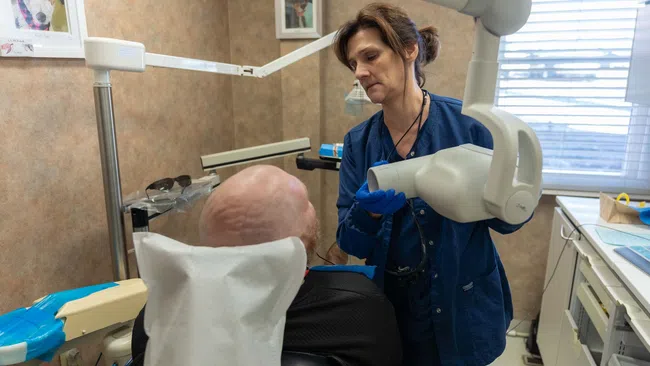
Common signs that you may need a root canal include persistent tooth pain, sensitivity to hot or cold that lingers, swollen or tender gums, and bad breath that doesn't go away. An exam, including digital X-rays, can confirm whether an infection is present and whether a root canal is the right course of treatment.
Q Is a root canal painful?
A root canal is performed with local anesthesia, so you shouldn't feel pain during the procedure. Most people are surprised by how comfortable the experience actually is. The procedure relieves the pain caused by the infection rather than creating it. Any soreness afterward is typically mild and short-lived.
Q What happens during a root canal?
During a root canal, your dentist will numb the area before accessing the inner portion of the tooth. The infected pulp is carefully removed, and the inside of the tooth is cleaned and disinfected. The space is then filled with a biocompatible material and sealed. The tooth is typically restored with a crown afterward.
Q What is an endodontist?
An endodontist is a dental specialist who focuses on diagnosing and treating conditions that affect the inner portion of the tooth, including the pulp and root canals. Endodontists receive additional years of specialized training beyond dental school, so they are highly skilled at performing root canal procedures with precision and care.
Q What happens if I don't get a root canal?
Leaving a tooth infection untreated rather than getting a root canal allows it to spread to surrounding teeth, gum tissue, and even the jawbone. In some cases, the infection can become serious enough to affect your overall health. Treating the infection early with a root canal is almost always preferable to allowing it to worsen over time.
Q Will I need a crown after a root canal?
A crown is typically recommended after getting a root canal. A tooth that has had a root canal is more brittle than a healthy tooth and benefits from the added protection a crown provides. The crown restores the tooth's strength and appearance, so you can bite and chew normally without risking further damage to the treated tooth.
Q How long does a root canal take?
Most root canals can be completed in one or two appointments, depending on the severity of the infection and the complexity of the tooth's root structure. Your dentist will give you a clearer timeline after evaluating your specific situation during your initial exam and consultation.